<?xml version="1.0" encoding="UTF-8"?><feed xmlns="http://www.w3.org/2005/Atom" xmlns:dc="http://purl.org/dc/elements/1.1/">
                                        <id>https://www.therugcode.com/the-decoded-blog</id>
                                            <link rel="self" href="https://www.therugcode.com/the-decoded-blog"></link>
                                <title><![CDATA[The  Decoded Blog]]></title>
                                                                                                                <updated>2024-10-31T12:26:26+00:00</updated>
                        
            <entry>
            <title><![CDATA[Creating Barana: Part I]]></title>
            <link rel="alternate" href="https://www.therugcode.com/the-decoded-blog/creating-barana-part1" />
            <id>https://www.therugcode.com/the-decoded-blog/creating-barana-part1</id>
            <author>
                <name><![CDATA[The Rug Code]]></name>
                                    <email><![CDATA[hello@therugcode.com]]></email>
                            </author>
            <summary type="html">
                <![CDATA[<p style="line-height: 1.4; font-size: 22px;"><em><span style="font-weight: 300; font-size: 22px;">By Kyle Khandikian, Founding Director</span></em></p>
<p style="line-height: 1.4; font-size: 22px;"> </p>
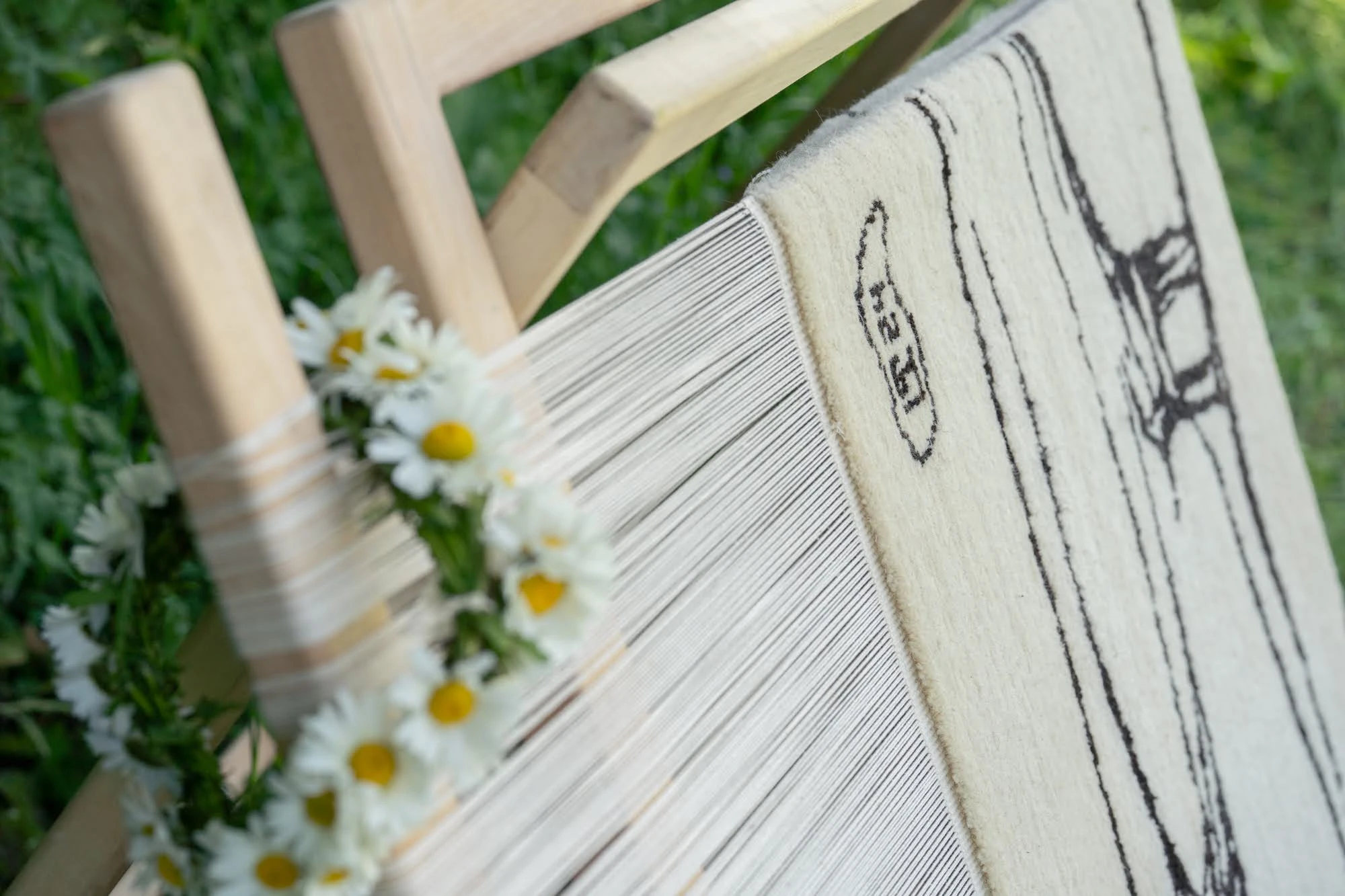
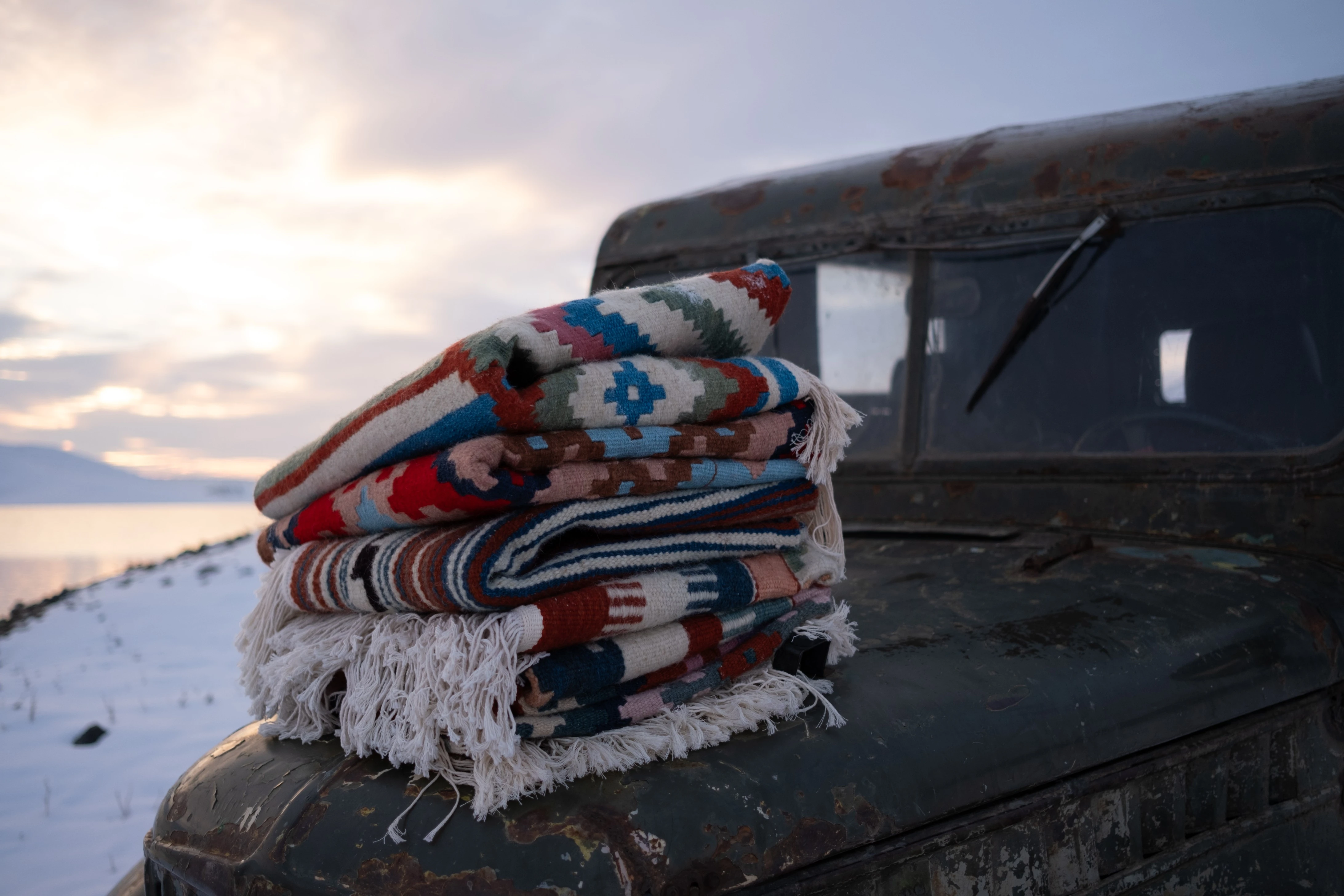
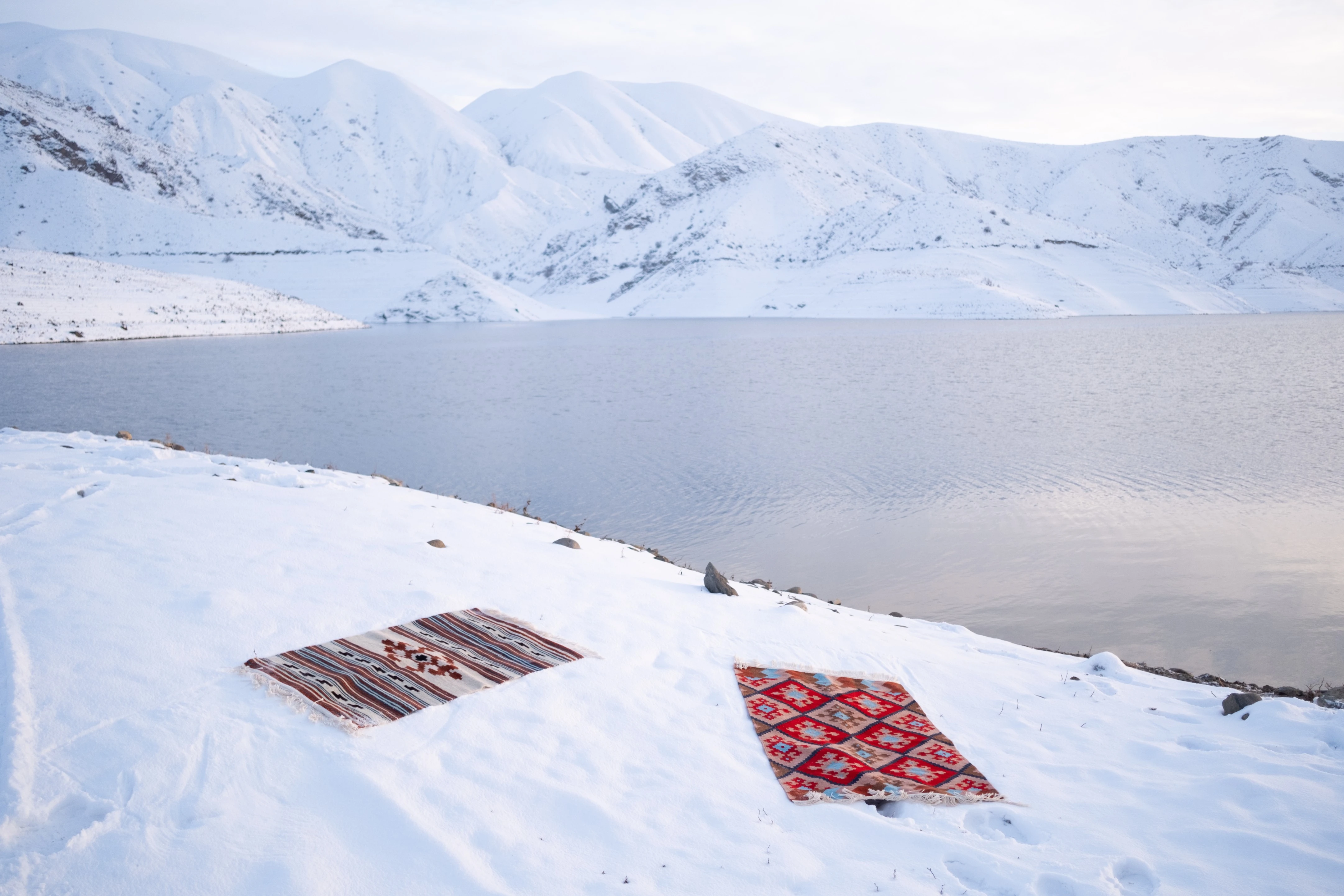
<p style="line-height: 1.4; font-size: 22px;"><span style="font-weight: 300; font-size: 22px;">The story of <span style="text-decoration: underline;"><a href="/{{pageId:83}}" target="_blank" rel="noopener noreferrer">Barana</a></span>, The Rug Code’s first knotted and contemporary rug collection, begins with a 3-day fact-finding trip I took in May 2023 to Armenia’s northern Tavush Province. The purpose of the trip was to meet with several rug making collectives and individual coders (what I like to call rug makers) I knew about through online research, but who I had never met nor whose rugs I had seen in person. <br><br>I was looking for the right partners to create our second collection of made in Armenia rugs. At the time, I had no conceptions about what the collection would look like – this website and online shop didn’t even exist back then. My field trip took me to the towns of Dilijan, Ijevan, and Berd, where my meetings with local coders confirmed what I already knew to be true about the state of rug making in Armenia today: it’s a dying tradition that’s all but disappeared from the country’s villages.</span></p>
<p style="line-height: 1.4; font-size: 22px;"> </p>
<p style="line-height: 1.4; font-size: 22px;"><span style="font-weight: 300; font-size: 22px;"><img src="https://static.ucraft.net/fs/ucraft/userFiles/therugcode/uploaded-media/dsc04089-17303793912712.webp" alt="" data-width="0" data-height="0"></img></span></p>
<p style="line-height: 1.4; font-size: 22px;"> </p>
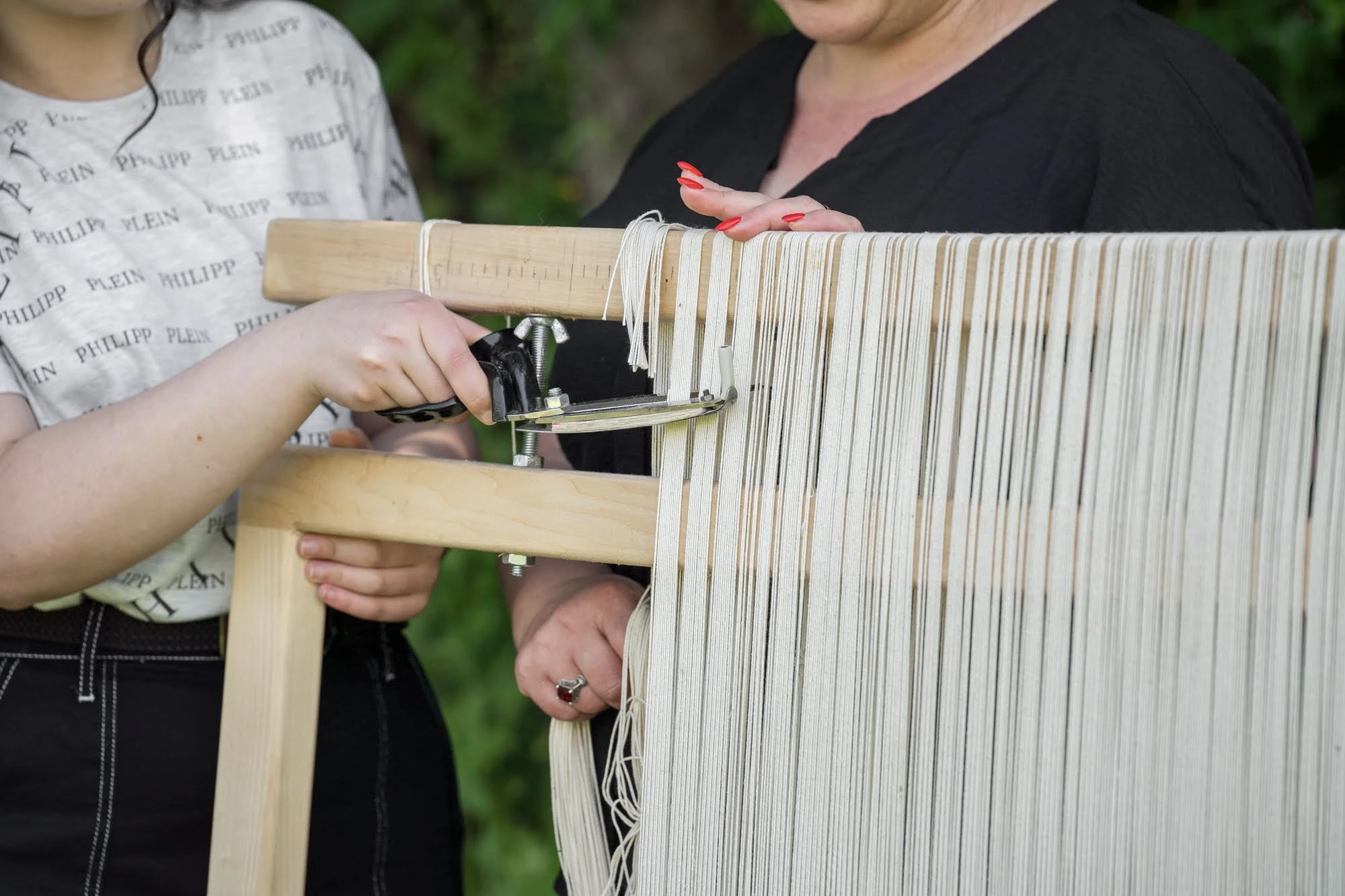
<p style="line-height: 1.4; font-size: 22px;"><span style="font-weight: 300; font-size: 22px;">A wide look at regional and even global history, geopolitics, economic policy, and cultural-generational shifts offer explanations as to why villagers in Armenia do not weave rugs anymore the way they have for over 4,000 years. But at the level of the individual coder who knows how to make a rug, the explanation is simple: ur hats, hon gats («Ուր հաց՝ հոն կաց») – “Go where there is bread.” Rug making is not a profitable trade in Armenia today without the right (digital marketing) tools, so it’ll soon no longer be a trade at all. Not if we do something about it. <br><br><span style="color: var(--p-color); font-family: var(--p-font-family); letter-spacing: var(--p-letter-spacing);">Part of that “we” is the <span style="text-decoration: underline;"><a href="https://folkart-hub.org/" target="_blank" rel="noopener noreferrer">Folk Arts Hub Foundation</a></span>, a Yerevan-based organization dedicated to reviving traditional folk arts – textiles in particular. Since 2016 their Adopt-A-Loom project has trained over 270 mostly women and children in 22 rural communities across Armenia in the art of rug making. One of those communities is Noyemberyan, about 1.5 hours away from Berd, which was supposed to be the last stop of my field trip. Diana Hovhannisyan, cultural projects manager at Folk Arts Hub and a professional rug maker and art historian, recommended that I visit Noyemberyan and meet with the director of the local Culture House, Sonya Zurabyan.</span></span></p>
<p style="line-height: 1.4; font-size: 22px;"> </p>
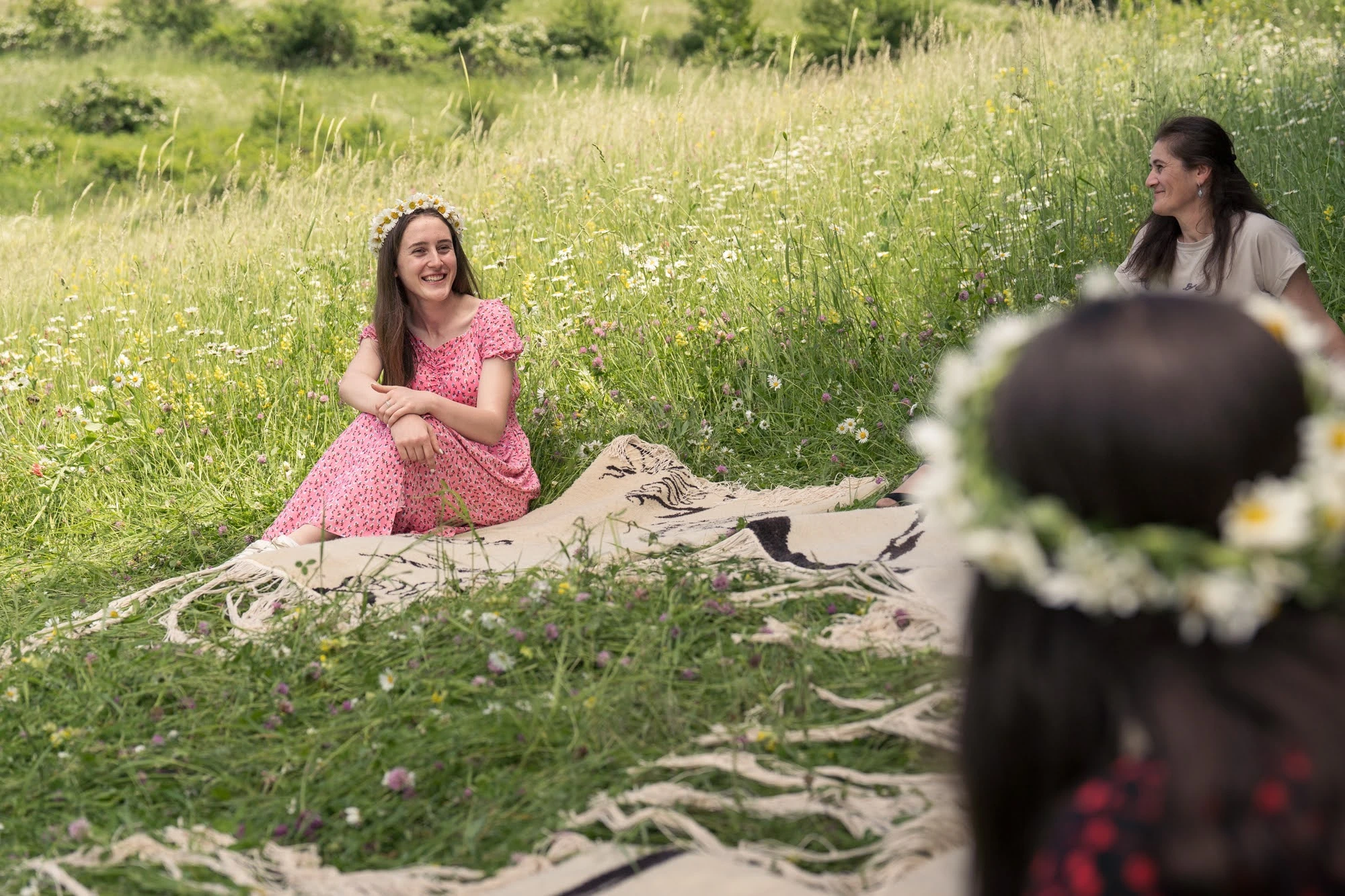
<p style="line-height: 1.4; font-size: 22px;"><span style="font-weight: 300; font-size: 22px;"><span style="color: var(--p-color); font-family: var(--p-font-family); letter-spacing: var(--p-letter-spacing);"><img src="https://static.ucraft.net/fs/ucraft/userFiles/therugcode/uploaded-media/dsc04125-1730379409902.webp" alt="" width="1034" height="689" data-width="1034" data-height="689"></img><br><br></span><span style="color: var(--p-color); font-family: var(--p-font-family); letter-spacing: var(--p-letter-spacing);">There at the Noyemberyan House of Culture in 2019 a public, free-of-charge rug making club was established for all local people in the region as part of Folk Arts Hub’s Adopt-A-Loom project. Thanks to the new club, the Culture House’s reach expanded beyond the town and into 6 of the region’s villages: Barekamavan, Voskepar, Baghanis, Jujevan, Tovegh, and Koti. I visited the Culture House on a Saturday, a non-working day. But Mrs. Sonya was eager to meet and introduce me to their programming and the works of the rug making club. </span></span></p>
<p style="line-height: 1.4; font-size: 22px;"> </p>
<p style="line-height: 1.4; font-size: 22px;">Like most public state institutions in Armenia, especially those outside Yerevan, the Culture House in Noyemberyan is modest and in need of renovation. But Mrs. Sonya’s positive energy and enthusiasm for the works of local artists and students far outshined the conditions of the House. If the findings of my trip on the state of rug making in Armenia today were bleak, Mrs. Sonya was a ray of hope.</p>
<p style="line-height: 1.4; font-size: 22px;"> </p>
<p style="line-height: 1.4; font-size: 22px;"><em>Part II of how we created the <span style="text-decoration: underline;"><a href="/{{pageId:83}}" target="_blank" rel="noopener noreferrer">Barana Collection</a></span> coming soon. </em></p>
<p style="font-size: 24px; line-height: 1.4;"> </p>
<p style="font-size: 24px; line-height: 1.4;"><span style="font-weight: 300; font-size: 22px;"><span style="color: var(--p-color); font-family: var(--p-font-family); letter-spacing: var(--p-letter-spacing);"><img src="https://static.ucraft.net/fs/ucraft/userFiles/therugcode/uploaded-media/dsc04266-17303793207399.webp" alt="" width="1034" height="689" data-width="1034" data-height="689"></img></span></span></p>
<p style="line-height: 1.4;"> </p>]]>
            </summary>
                            <link rel="enclosure" href="https://static.ucraft.net/fs/ucraft/userFiles/therugcode/images/a-5-dsc03806-17303786027487.jpg" length="419630" type="image/jpeg" />
                        <category term="Uncategorised" />
            <updated>2024-10-31T12:26:26+00:00</updated>
                            <dc:description><![CDATA[How we created our first made in Armenia contemporary and undyed rug collection.]]></dc:description>
                    </entry>
            <entry>
            <title><![CDATA[Letter from our founder]]></title>
            <link rel="alternate" href="https://www.therugcode.com/the-decoded-blog/letter-from-our-founder" />
            <id>https://www.therugcode.com/the-decoded-blog/letter-from-our-founder</id>
            <author>
                <name><![CDATA[]]></name>
                            </author>
            <summary type="html">
                <![CDATA[<p style="line-height: 1.4; font-size: 22px;"><span style="font-weight: 300; font-size: 22px;">When I moved to Yerevan from Los Angeles eight years ago, I understood very quickly that within me exists a profound love and respect for Armenian rugs. Perhaps my homecoming awakened something that lives within many Armenians – the understanding that rugs are not simply objects of aesthetic beauty, but of divine energy, and that they bear coded information, stories, beliefs, and messages.<br><br>It’s no exaggeration to say that in the past, Armenians considered rugs sacred. In Gandzak, Armenians gave birth on rugs. Up until the early 20th century, Armenian villagers wrapped the deceased in flat woven rugs before surrendering them back to the earth, a practice dating to the Bronze Age. The rug makers I meet today remember the time when nearly every home in towns and villages across Armenia had looms, when rugs were woven for personal use as well as to mark major life events – a marriage, a birth, a death. Rugs are not just symbols of life for Armenians. They are life itself.<br><br><span style="color: var(--p-color); font-family: var(--p-font-family); letter-spacing: var(--p-letter-spacing);">Outside historic Armenia, meanwhile, Armenian rugs were revered for their quality and colors. But Armenians’ lack of statehood for centuries meant that the rugs they created were often misattributed to others once they were cut from their highland looms.<br><br></span><span style="color: var(--p-color); font-family: var(--p-font-family); letter-spacing: var(--p-letter-spacing);">Then came the Armenian Genocide, an unspeakably horrific blow to millennia of Armenian civilization, including traditional rug making practices.<br></span></span></p>
<p style="font-size: 24px; line-height: 1.4;"> </p>
<p style="font-size: 24px; line-height: 1.4;"><span style="font-weight: 300; font-size: 22px;"><span style="color: var(--p-color); font-family: var(--p-font-family); letter-spacing: var(--p-letter-spacing);"><img src="https://static.ucraft.net/fs/ucraft/userFiles/therugcode/uploaded-media/dsf3866dng-1-17072420869507.webp" alt="" width="1034" height="689" data-width="1034" data-height="689"></img></span></span></p>
<p style="font-size: 24px; line-height: 1.4;"><span style="font-weight: 300; font-size: 22px;"><span style="color: var(--p-color); font-family: var(--p-font-family); letter-spacing: var(--p-letter-spacing);"><br></span>The tragic reality is that this once widespread artistic and spiritual practice is on the verge of disappearing from Armenia’s villages today. Everywhere I go, everyone I speak to says the same thing: no one weaves in Armenia anymore. Young people in particular are not interested in taking up rug making, because it’s not seen as a way to create a prosperous living. Those who do know how to weave don’t, because they lack the visibility necessary to reach customers.<br><br><span style="color: var(--p-color); font-family: var(--p-font-family); letter-spacing: var(--p-letter-spacing);">I created The Rug Code to make purchasing an Armenian rug directly from village-based weavers an easy and transparent process. Our mission is simple: deliver high-quality, handmade rugs from Armenia to shoppers around the world, sharing where our rugs come from, what they’re made of, who makes them, and what their ornaments represent, all in a transparent way.<br><br></span><span style="color: var(--p-color); font-family: var(--p-font-family); letter-spacing: var(--p-letter-spacing);">There’s a very serious lack of transparency in the Armenian rug market today. The Vernissage market specifically, a popular place to purchase rugs in Yerevan, is saturated with foreign products. They’re brought from other countries, where it’s less expensive to produce rugs, and resold as “Armenian.” I know this for a fact, because I myself have been sold rugs at Vernissage that are not Armenian or handmade.<br></span></span></p>
<p style="font-size: 24px; line-height: 1.4;"> </p>
<p style="font-size: 24px; line-height: 1.4;"><span style="font-weight: 300; font-size: 22px;"><span style="color: var(--p-color); font-family: var(--p-font-family); letter-spacing: var(--p-letter-spacing);"><img src="https://static.ucraft.net/fs/ucraft/userFiles/therugcode/uploaded-media/dsf3880dng-1-17072421834668.webp" alt="" data-width="0" data-height="0"></img></span></span></p>
<p style="font-size: 24px; line-height: 1.4;"><span style="font-weight: 300; font-size: 22px;"><span style="color: var(--p-color); font-family: var(--p-font-family); letter-spacing: var(--p-letter-spacing);"><br></span><span style="color: var(--p-color); font-family: var(--p-font-family); letter-spacing: var(--p-letter-spacing);">My hope, first and foremost, is that The Rug Code will bring Armenia’s top rural weavers the visibility they deserve, and that your purchases will keep this practice alive in the country’s villages. My second hope is that a new generation of Armenians and non-Armenians will be introduced to Armenia’s enormously rich rug making heritage. Armenian rugs and rug ornaments cannot be misattributed, and shoppers cannot be deceived, if we’re all equipped with the knowledge necessary to identify and decode. The Rug Code is in many ways an extension of the tremendous amount of work and advocacy done by countless rug scholars, collectors, and admirers before us, namely the </span><span style="text-decoration: underline;"><a style="font-family: var(--p-font-family); font-weight: var(--p-font-weight); letter-spacing: var(--p-letter-spacing); background-color: #ffffff;" href="https://www.armenianrugssociety.org/" target="_blank" rel="noopener noreferrer">Armenian Rugs Society</a></span><span style="color: var(--p-color); font-family: var(--p-font-family); letter-spacing: var(--p-letter-spacing);">, without whom many of Armenia’s historic rugs would not be identified as Armenian today.<br><br></span><span style="color: var(--p-color); font-family: var(--p-font-family); letter-spacing: var(--p-letter-spacing);">I’d like to express my heartfelt thanks to <span style="text-decoration: underline;"><a href="http://www.creativearmenia.org/artbox-incubator-and-accelerator" target="_blank" rel="noopener noreferrer">Creative Armenia's </a></span></span><span style="text-decoration: underline;"><a style="font-family: var(--p-font-family); font-weight: var(--p-font-weight); letter-spacing: var(--p-letter-spacing); background-color: #ffffff;" href="https://www.creativearmenia.org/artbox-incubator-and-accelerator" target="_blank" rel="noopener noreferrer">Artbox Program</a></span><span style="color: var(--p-color); font-family: var(--p-font-family); letter-spacing: var(--p-letter-spacing);">, the </span><span style="text-decoration: underline;"><a style="font-family: var(--p-font-family); font-weight: var(--p-font-weight); letter-spacing: var(--p-letter-spacing); background-color: #ffffff;" href="https://agbu.org/katapult" target="_blank" rel="noopener noreferrer">AGBU Katapult Program</a></span><span style="color: var(--p-color); font-family: var(--p-font-family); letter-spacing: var(--p-letter-spacing);">, Diana Hovhannisyan and Levon Der Bedrosian from the </span><span style="text-decoration: underline;"><a style="font-family: var(--p-font-family); font-weight: var(--p-font-weight); letter-spacing: var(--p-letter-spacing); background-color: #ffffff;" href="https://folkart-hub.org/" target="_blank" rel="noopener noreferrer">Folk Arts Hub Foundation</a></span><span style="color: var(--p-color); font-family: var(--p-font-family); letter-spacing: var(--p-letter-spacing);">, Tim Straight from the </span><span style="text-decoration: underline;"><a style="font-family: var(--p-font-family); font-weight: var(--p-font-weight); letter-spacing: var(--p-letter-spacing); background-color: #ffffff;" href="https://www.facebook.com/HDIFarmenia/" target="_blank" rel="noopener noreferrer">Homeland Development Initiative Foundation</a></span><span style="color: var(--p-color); font-family: var(--p-font-family); letter-spacing: var(--p-letter-spacing);">, Lilia <a href="https://www.creativearmenia.org/artbox-incubator-and-accelerator" rel="noreferrer">Avanesyan</a> and Astghik Israyelyan from the </span><span style="text-decoration: underline;"><a style="font-family: var(--p-font-family); font-weight: var(--p-font-weight); letter-spacing: var(--p-letter-spacing); background-color: #ffffff;" href="https://historymuseum.am/en/" target="_blank" rel="noopener noreferrer">History Museum of Armenia</a></span><span style="color: var(--p-color); font-family: var(--p-font-family); letter-spacing: var(--p-letter-spacing);">, Arto Tavukciyan from </span><span style="text-decoration: underline;"><a style="font-family: var(--p-font-family); font-weight: var(--p-font-weight); letter-spacing: var(--p-letter-spacing); background-color: #ffffff;" href="https://www.hyeantiques.com/" target="_blank" rel="noopener noreferrer">Hye Antiques</a></span><span style="color: var(--p-color); font-family: var(--p-font-family); letter-spacing: var(--p-letter-spacing);">, Hratch Kozibeyokian from the Armenian Rugs Society, Hayk Oltaci and Mariam Nalbandyan from </span><span style="text-decoration: underline;"><a style="font-family: var(--p-font-family); font-weight: var(--p-font-weight); letter-spacing: var(--p-letter-spacing); background-color: #ffffff;" href="https://woolway.am/" target="_blank" rel="noopener noreferrer">Woolway Armenia</a></span><span style="color: var(--p-color); font-family: var(--p-font-family); letter-spacing: var(--p-letter-spacing);">, Nairi Khachadourian and the <span style="text-decoration: underline;"><a href="http://www.aha.am" target="_blank" rel="noopener noreferrer">AHA collective</a></span>, Tsoleen Sarian, Zareh Zurabyan, Melisa Darret, Gevork Poghosyan, Lilit Darbinyan, Misha Poghosyan, Nar Levoni, Angel Keusseyan, Valentin Chesneau-Daumas, </span><span style="text-decoration: underline;"><a style="font-family: var(--p-font-family); font-weight: var(--p-font-weight); letter-spacing: var(--p-letter-spacing); background-color: #ffffff;" href="https://birthrightarmenia.org/" target="_blank" rel="noopener noreferrer">Birthright Armenia</a></span><span style="color: var(--p-color); font-family: var(--p-font-family); letter-spacing: var(--p-letter-spacing);">, </span><span style="text-decoration: underline;"><a style="font-family: var(--p-font-family); font-weight: var(--p-font-weight); letter-spacing: var(--p-letter-spacing); background-color: #ffffff;" href="https://armenianvolunteer.org/" target="_blank" rel="noopener noreferrer">Armenian Volunteer Corps</a></span><span style="color: var(--p-color); font-family: var(--p-font-family); letter-spacing: var(--p-letter-spacing);">, </span><span style="text-decoration: underline;"><a style="font-family: var(--p-font-family); font-weight: var(--p-font-weight); letter-spacing: var(--p-letter-spacing); background-color: #ffffff;" href="https://yerevan.impacthub.net/" target="_blank" rel="noopener noreferrer">Impact Hub Yerevan</a></span><span style="color: var(--p-color); font-family: var(--p-font-family); letter-spacing: var(--p-letter-spacing);">, and everyone at </span><span style="text-decoration: underline;"><a style="font-family: var(--p-font-family); font-weight: var(--p-font-weight); letter-spacing: var(--p-letter-spacing); background-color: #ffffff;" href="http://www.onearmenia.org" target="_blank" rel="noopener noreferrer">ONEArmenia</a></span><span style="color: var(--p-color); font-family: var(--p-font-family); letter-spacing: var(--p-letter-spacing);"> including Astghik Sayadyan, Sofya Khachatryan, Patrick Sarkissian, and Anahit Nazaryan for their invaluable support in helping me build The Rug Code.<br><br></span><span style="color: var(--p-color); font-family: var(--p-font-family); letter-spacing: var(--p-letter-spacing);">I hope the rug stories and codes on this website bring a little ancient magic from Armenia to you wherever you are, and that you’re inspired to join us in breathing new life into Armenian rug making.<br><br></span><span style="color: var(--p-color); font-family: var(--p-font-family); letter-spacing: var(--p-letter-spacing);"><span style="font-weight: 400;">Welcome to The Rug Code.</span><br><br></span><span style="color: var(--p-color); font-family: var(--p-font-family); letter-spacing: var(--p-letter-spacing);">Warmly,<br><br></span><span style="color: var(--p-color); font-family: var(--p-font-family); letter-spacing: var(--p-letter-spacing);">Kyle Khandikian</span></span></p>
<p style="line-height: 1.4;"><span style="font-weight: 300; font-size: 22px;">Founder</span></p>
<p style="line-height: 1.4;"> </p>
<p style="line-height: 1.4;"><span style="font-weight: 300; font-size: 22px;"><img src="https://static.ucraft.net/fs/ucraft/userFiles/therugcode/uploaded-media/dsf3840-1-1707242206973.webp" alt="" width="1034" height="689" data-width="1034" data-height="689"></img></span></p>]]>
            </summary>
                            <link rel="enclosure" href="https://static.ucraft.net/fs/ucraft/userFiles/therugcode/images/a-1-dsf3752dng-1-17072419582542.jpg" length="1530596" type="image/jpeg" />
                        <category term="Uncategorised" />
            <updated>2024-02-06T16:41:08+00:00</updated>
                            <dc:description><![CDATA[Who we are, what we&#039;re doing, and why it matters now more than ever.]]></dc:description>
                    </entry>
    </feed>