FREE worldwide shipping from Armenia
and FREE custom designs for flat weaves
Shulal Kids
Hand-drawn and woven entirely using the traditional shulal technique by the women of Telik Crafts in the town of Ijevan, Shulal Kids brings Armenia's fairytales, traditions, landmarks, and wildlife to life through playful designs that inspire curiosity for every age.

Looking for something custom? We'll do it from start to finish free of charge. Let us know what you have in mind by contacting us.
About
Shulal Kids

"Rugs are bridges between our past and present. When I look at antique rugs, I often think about who made them, where they were made, what their makers’ lives were like, what their families and social relationships were like." - Liana Ghazaryan, Designer & Coder
Drive past the popular travel destination of Dilijan, through forested canyons carved by rivers and crowned with jagged peaks, and you will arrive in the town of Ijevan, the provincial capital of Tavush. Here, in a small studio space right on the bank of the Aghstev River, the women of Telik Crafts are reviving a local weaving technique once at risk of disappearing completely from Armenia — shulal.
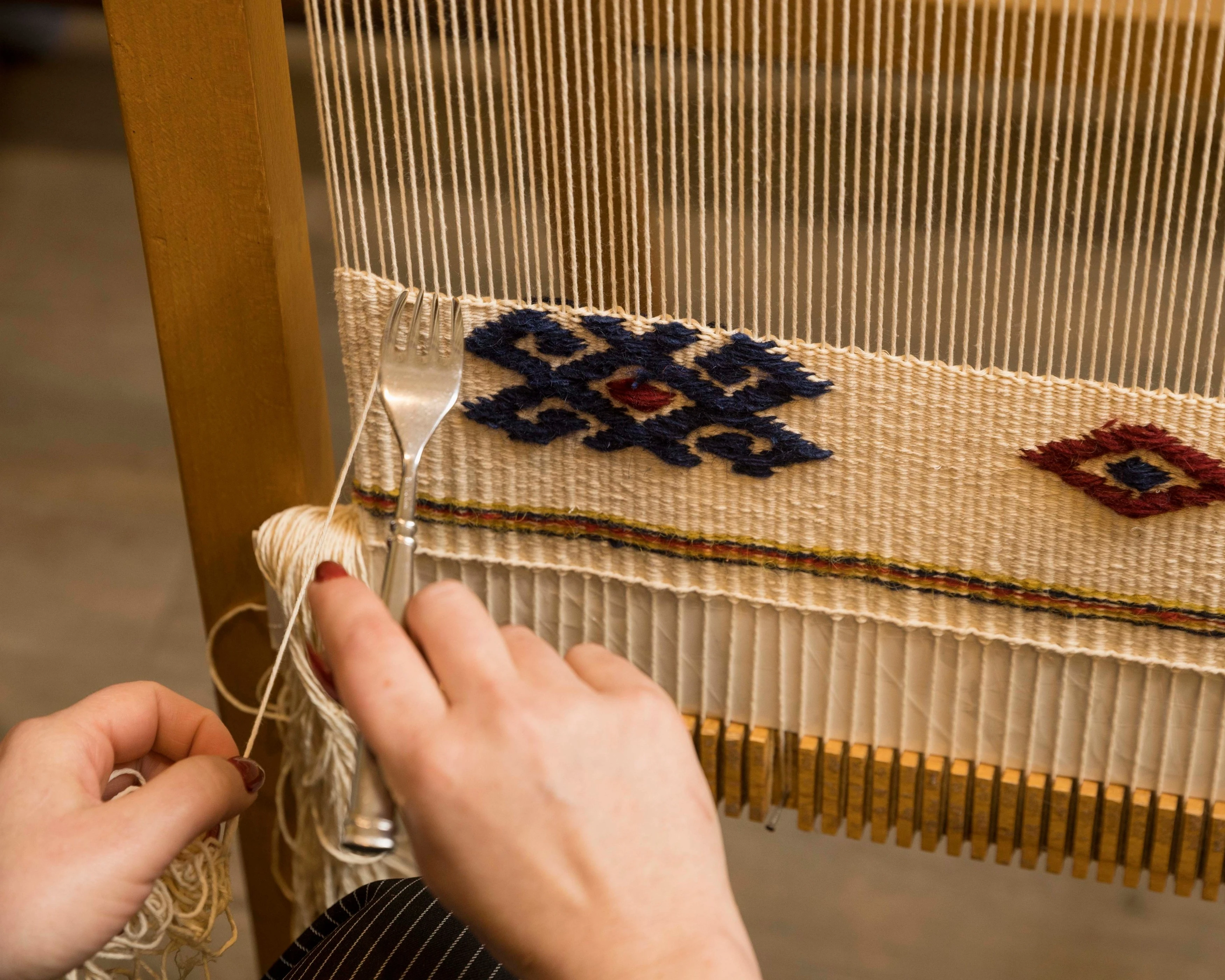
Shulal is a traditional flat weaving technique in which decorative motifs are woven in low relief, rising above the surface of the weave. Unlike ordinary flat weaves (aka carpets), where the ornaments and surrounding background are level, shulal uses soft pattern yarn woven directly into the flat weave as it’s being made that creates a subtle three-dimensional texture, giving the ornaments depth.
"Shulal weaving was once widespread in Tavush, but it almost disappeared. Today we’re revitalizing it and making sure that that does not happen."
- Liana
The weaving technique has become a specialization of Telik Crafts, a social enterprise founded in 2017 with the aim of preserving and developing the traditional crafts of the region, and by doing so, creating economic opportunities for rural women. There’s no lack of skill, creativity, and a desire to weave at Telik. But like many small rug producers in Armenia, visibility and sales continue to pose a major challenge for the collective.
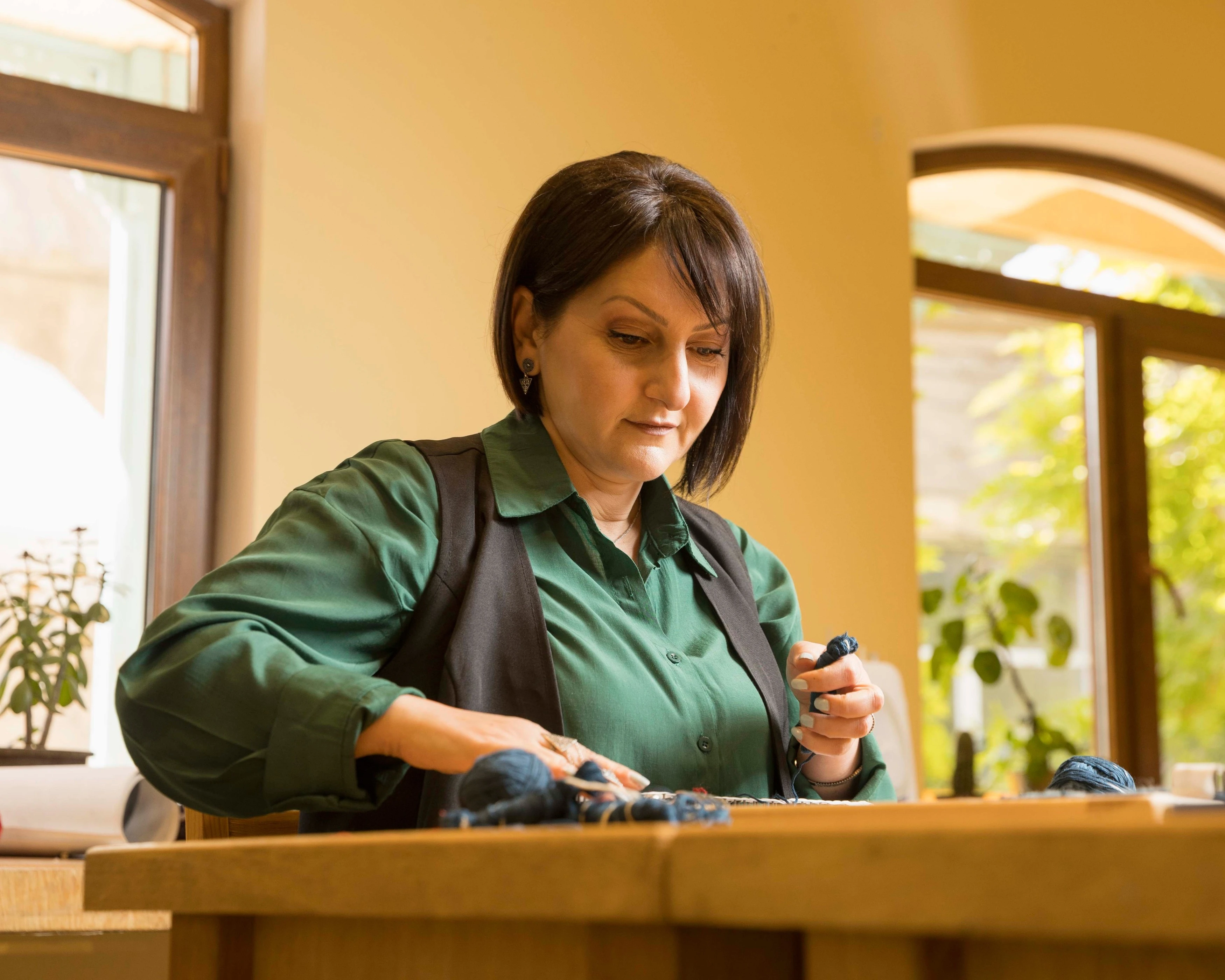
“Before joining Telik in 2019 I had never woven a carpet before. I came here simply to get out of the house and to stay busy — before working here I was a housewife. I always loved handicrafts. When I was a child I wanted to learn, but my parents didn’t let me. I studied economics and even got a Master’s degree. I worked at a bank for some time, but I didn’t like it. I always dreamed of doing what I do now. I'm very happy that finally at this age, I’m doing what I always wanted to do back when I was 18. From the very first day I came to Telik and saw the threads, I understood that this is where I wanted to be.”
- Armine Vardapetyan,
Coder
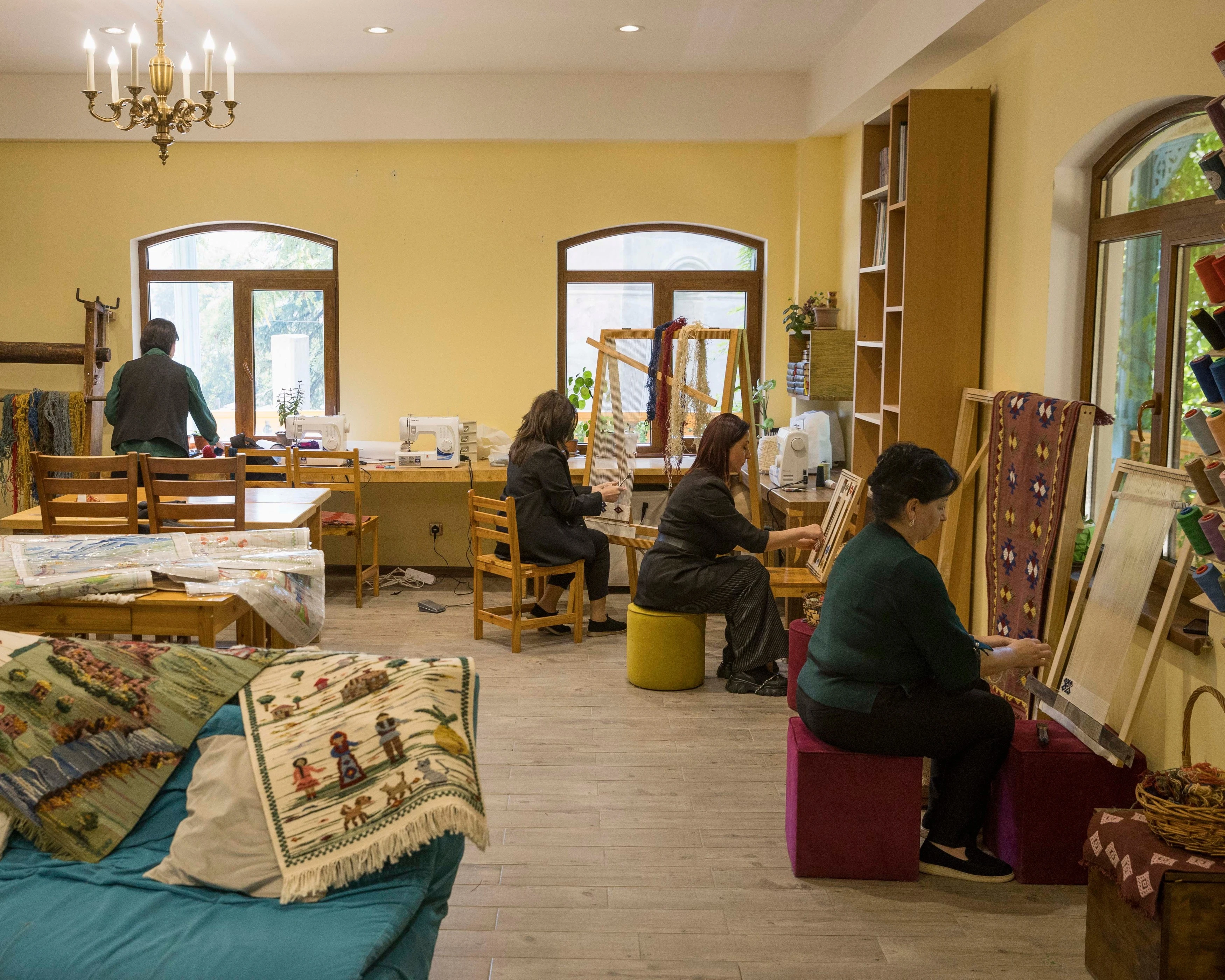
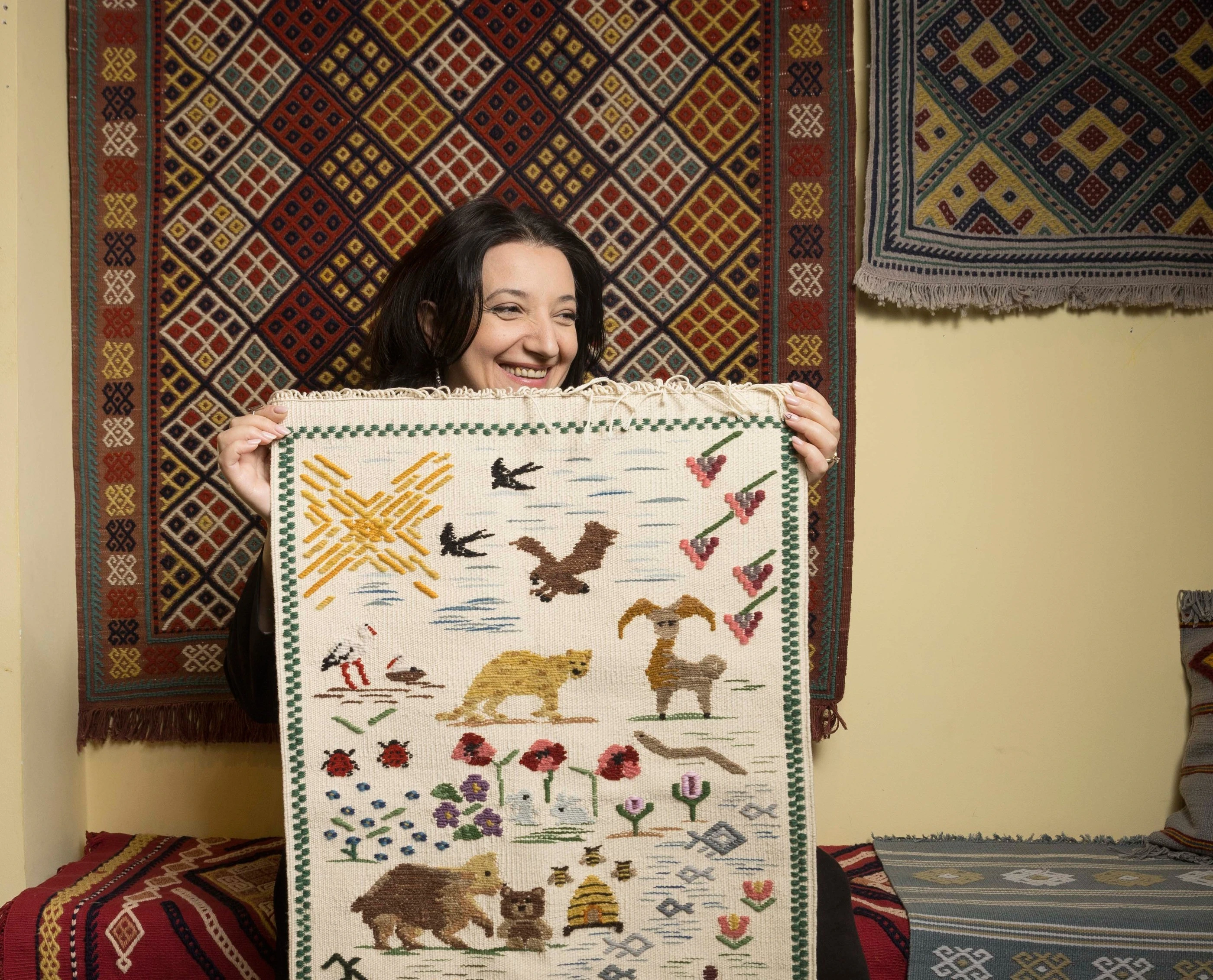
Shulal Kids was born out of a simple idea: introduce a new generation of Armenians and non-Armenians alike to the cultural and natural heritage of the country, as well as the shulal technique itself, through a collection of playful, childlike flat weaves, where Armenia’s stories quite literally pop out from the surfaces of the rugs.
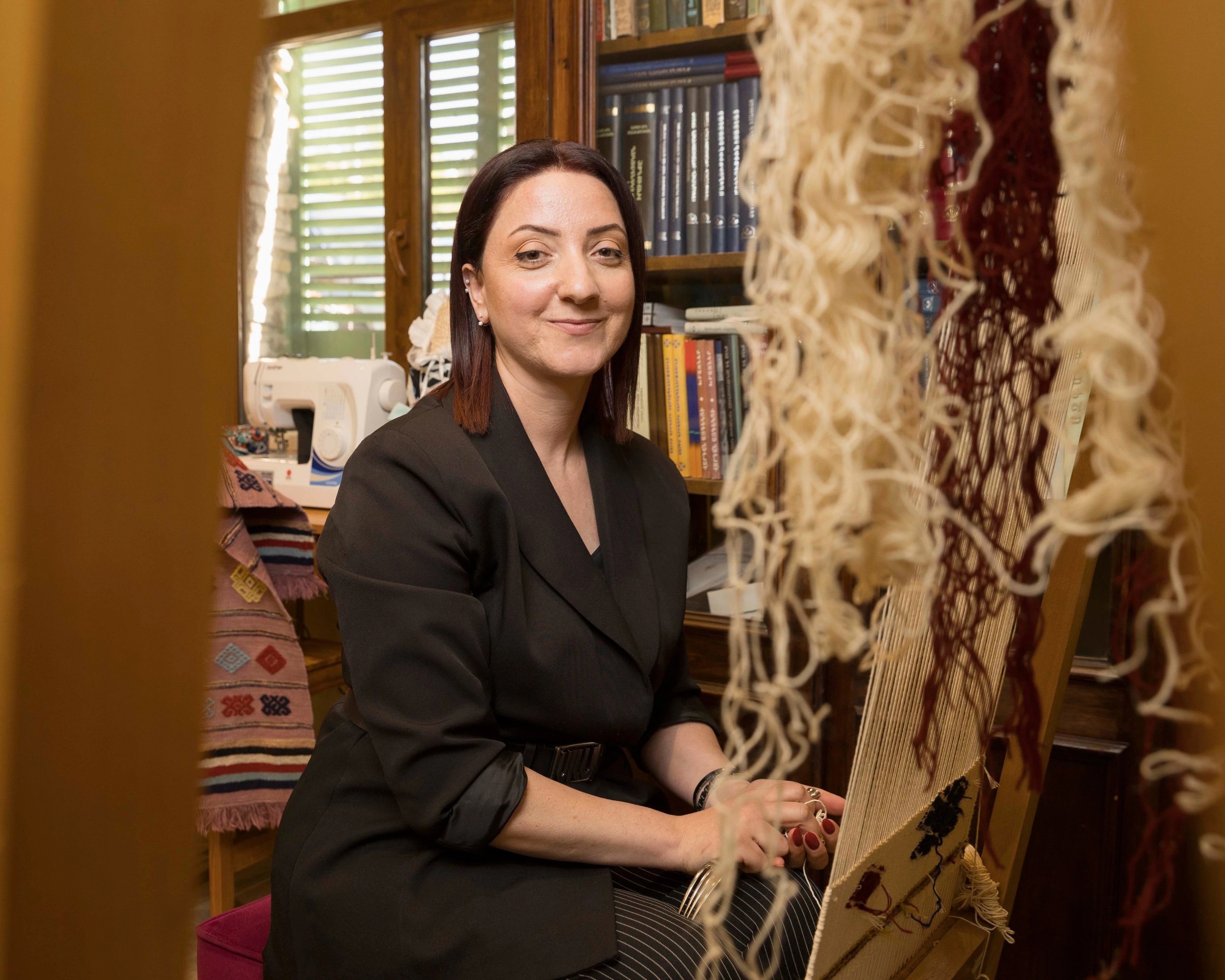
"We all really love this collection. We were very excited to work on these shulal carpets and to see the final outcomes. The idea is wonderful, and it gave me the freedom to weave without following a map. I don’t like to plan ahead of time, I prefer to just start weaving, and each step of the process comes to me naturally as I work.”
- Lusine Movsesyan, Coder
Like many of our rugs, the original designs of this collection were born the old-fashioned way: with colored pencils and paper. Working together with Telik, some of Armenia’s most recognizable fables, cultural practices, historical sites, and landscapes were combined into seven hand-drawn images that the women of the collective translated into woven form, with many of the coders (aka weavers) improvising on colors, textures, and patterns.
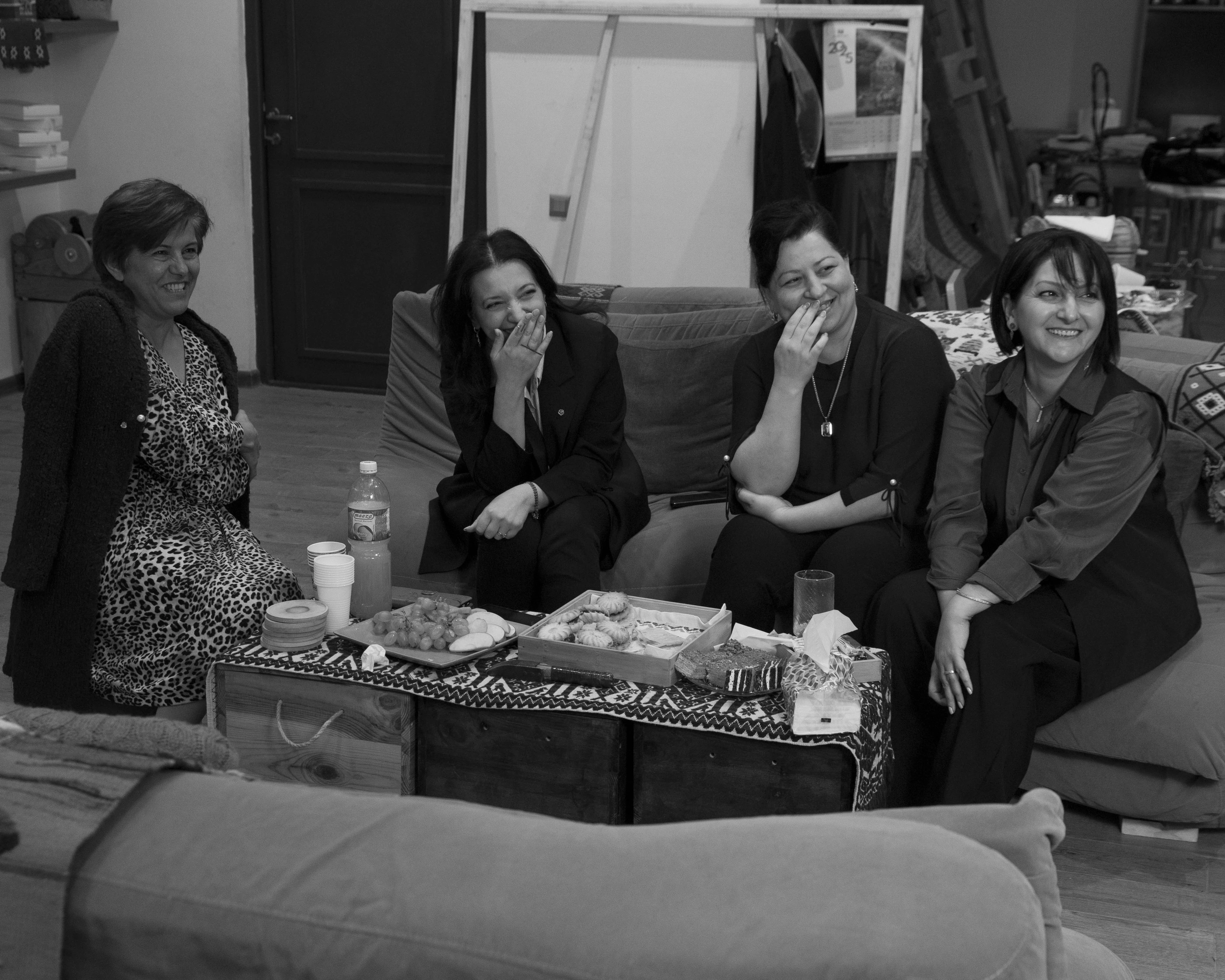
Telik is more than a place of employment for the women of the collective. It’s a community space, and that sense of community can be felt immediately upon entering their studio. It’s a space where local women can gather, socialize, and express themselves through craft, moving outside the constraints of domestic life.
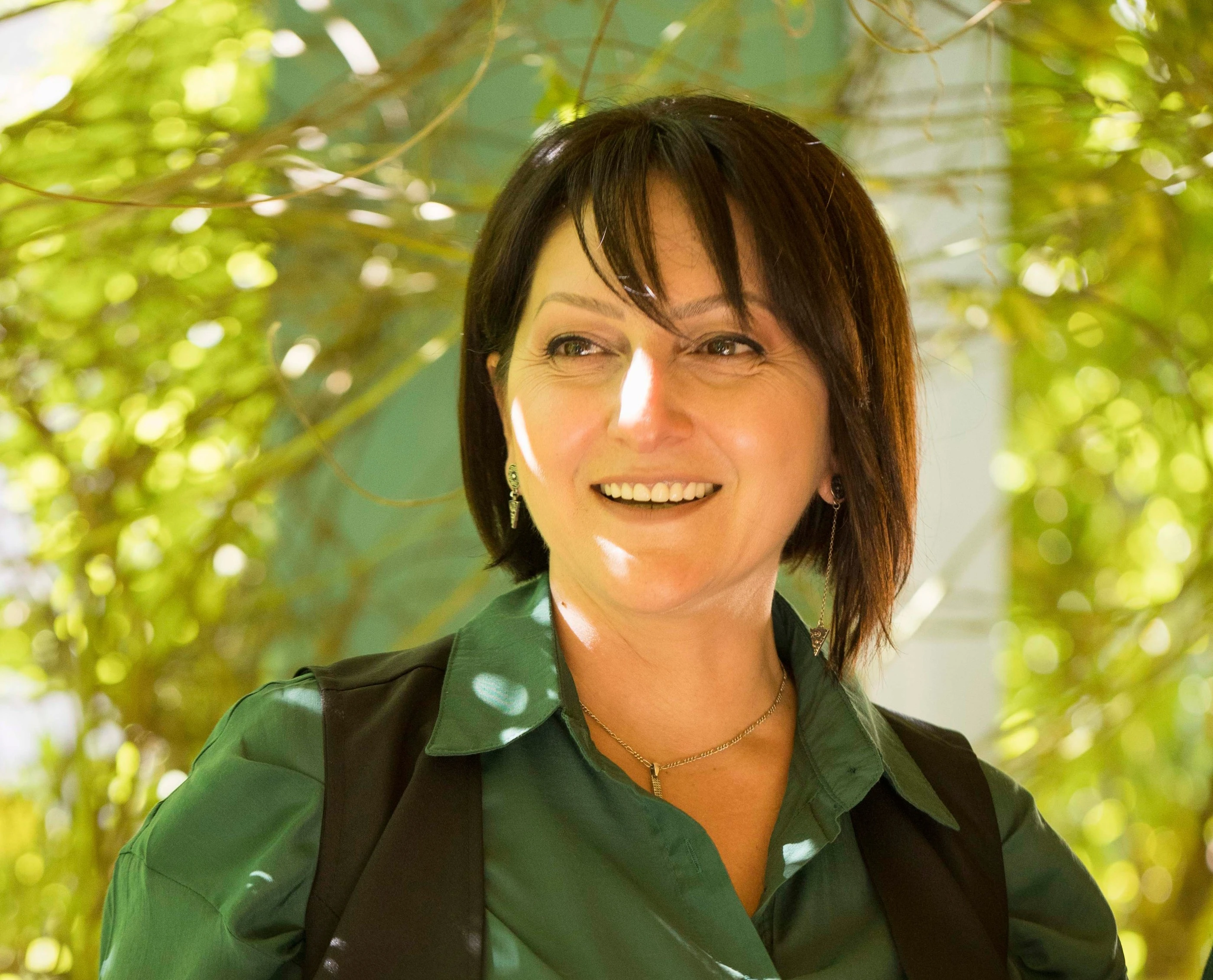
"At Telik I have the opportunity to express myself through my work. I’m not limited here. I come here every day with great pleasure. Yes, it’s my workplace, but I don’t just work here. I relax here, because art is a form of therapy. In these walls you disconnect from the rest of the world. All your problems disappear. We’re not just coworkers here, we’re like a family. We share our concerns and worries, we give each other advice, and all of that stays here among us, it doesn’t leave these walls. It’s been a couple years now that we’ve been living like this, so to say. This is like a home." - Liana
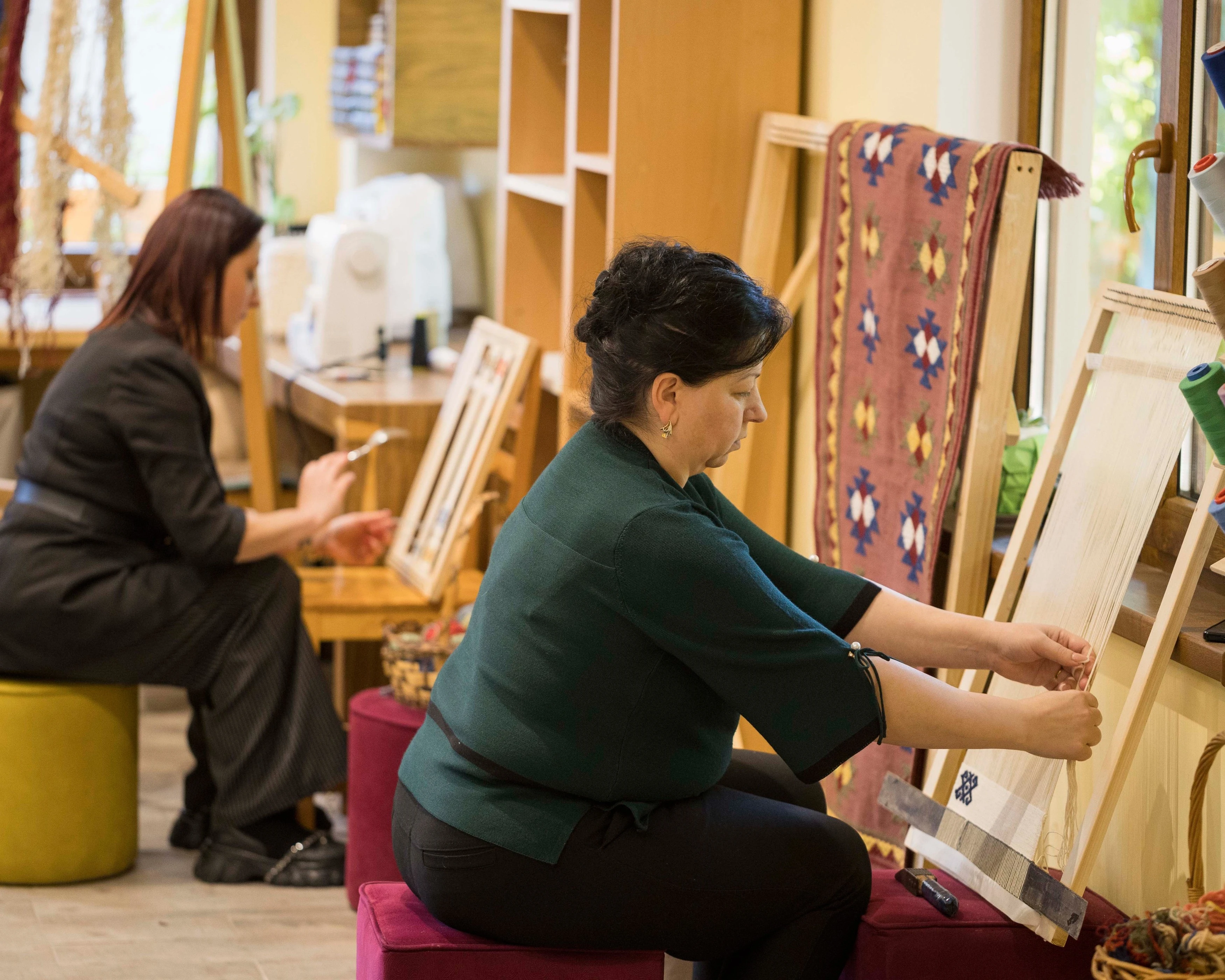
With just four full-time coders, Telik’s weaving capacities today are modest. But their home of Ijevan has a rich rug making heritage. The Soviet Union’s third largest rug factory once operated here, the ruins of which, mostly demolished today, are located not far from Telik’s studio. By the year 1970, the Armenian SSR was producing 1.2 million square meters of machine-made rugs annually. That production capacity has all but disappeared today in Armenia, but it’s a legacy Telik in particular carries forward, however small
in scale.
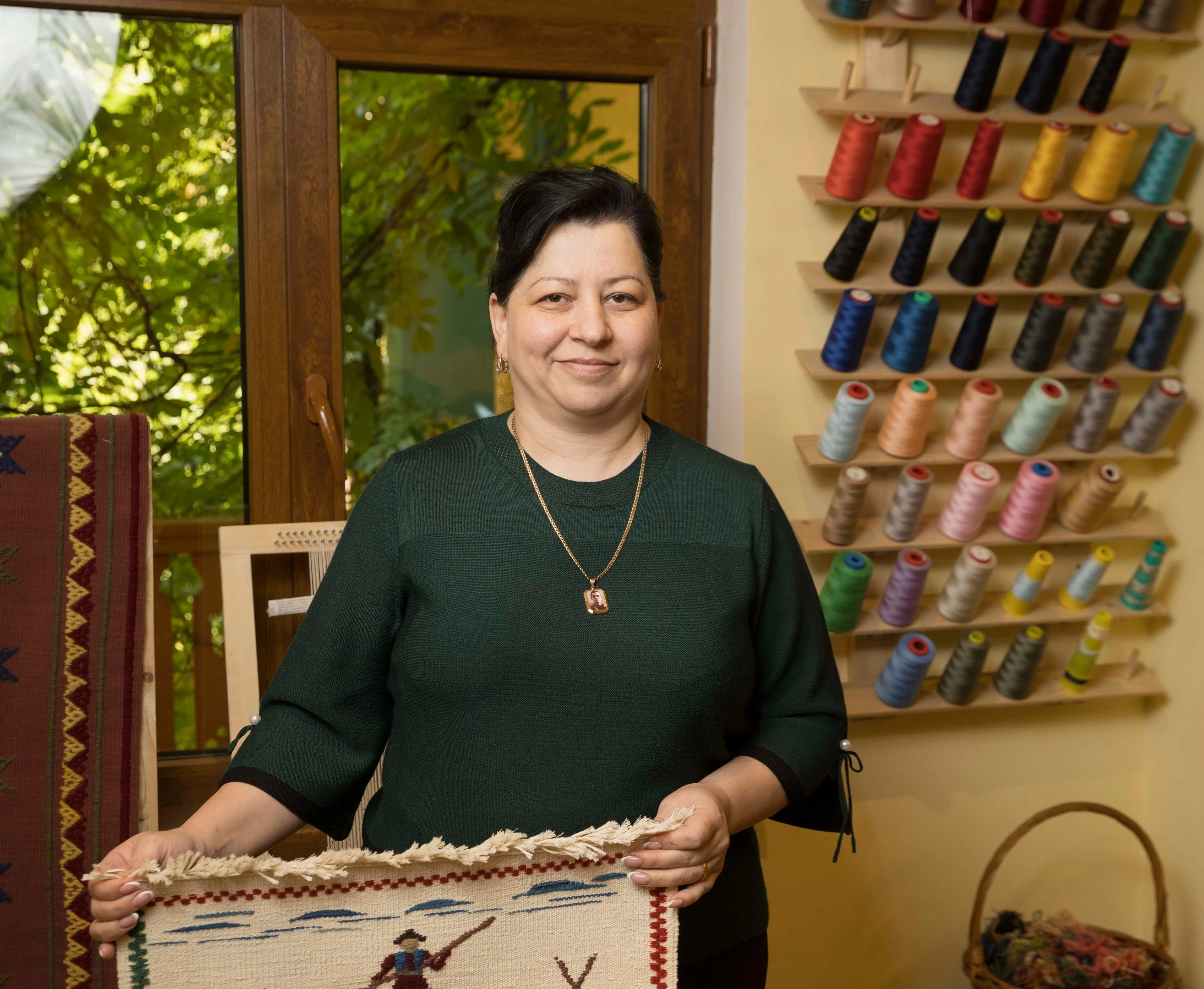
"This space and community is very important. I come here every day with great pleasure to work with the other women. The work that’s done here, the art that’s created here… Art is an avenue for self recognition, to better know and understand yourself" - Stella Ghazaryan, Designer & Coder
Like all communities in Armenia, the women of Telik are not excluded from the realities of Armenia’s recent political past and present. Stella joined the collective in March 2021 shortly after her 19-year-old son, Hakob, fell in battle during the 2020 Artsakh (Nagorno-Karabakh) war shortly after being conscripted for his mandatory military service and just one week before his 20th birthday.
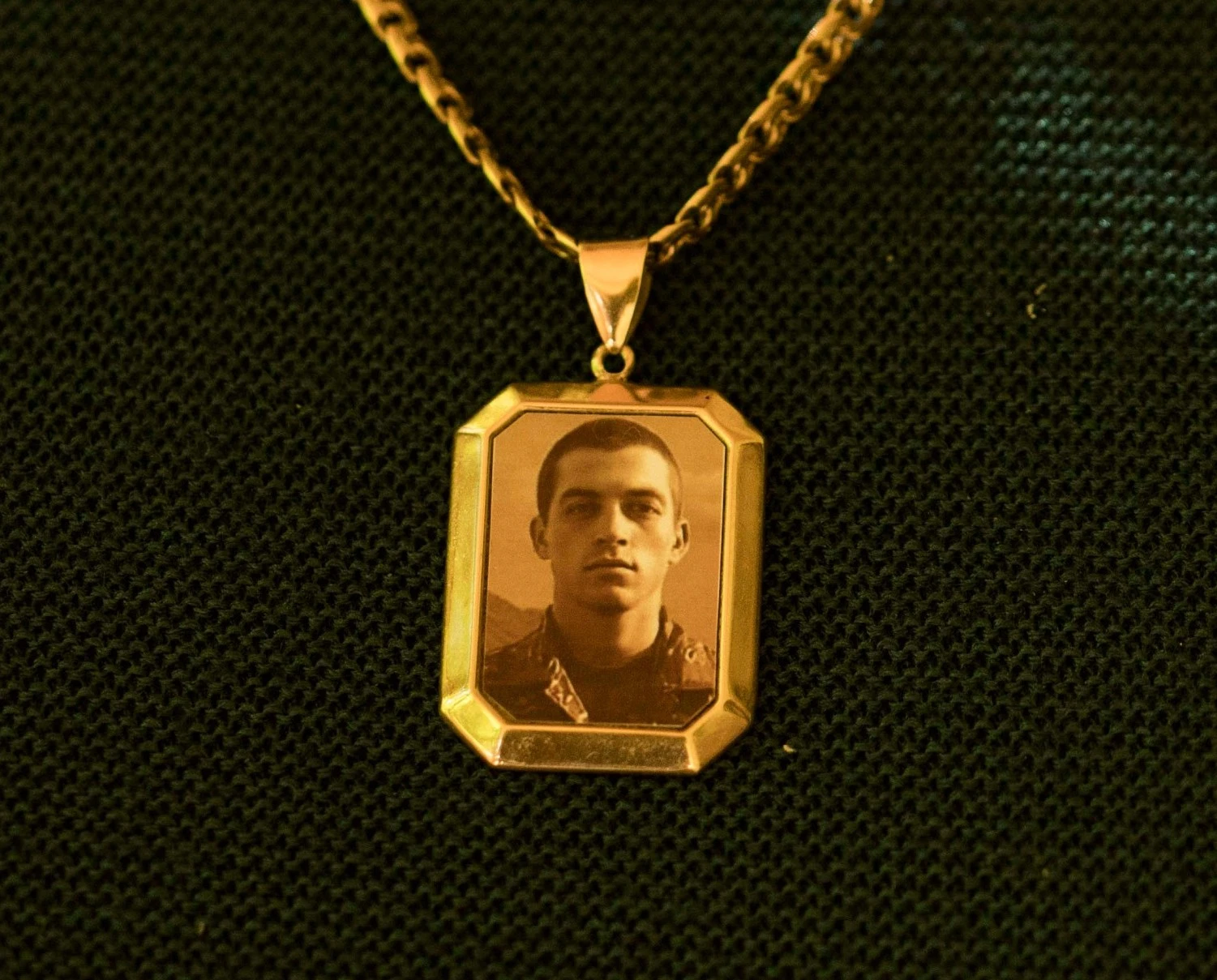
"Stella can do anything. She’s played a very big role in our community. When she came to Telik for the first time, it was as if we already knew her. We were all very upset about her son, to say the least. With her permission we organized an exhibition of Hakob's paintings — he painted when he was in school, and was accepted into an applied arts program in university prior to the war, which he never got to attend — and we’ve used his art work in our embroidery work and other handmade products."
- Hasmik Margaryan,
Telik Crafts Founder
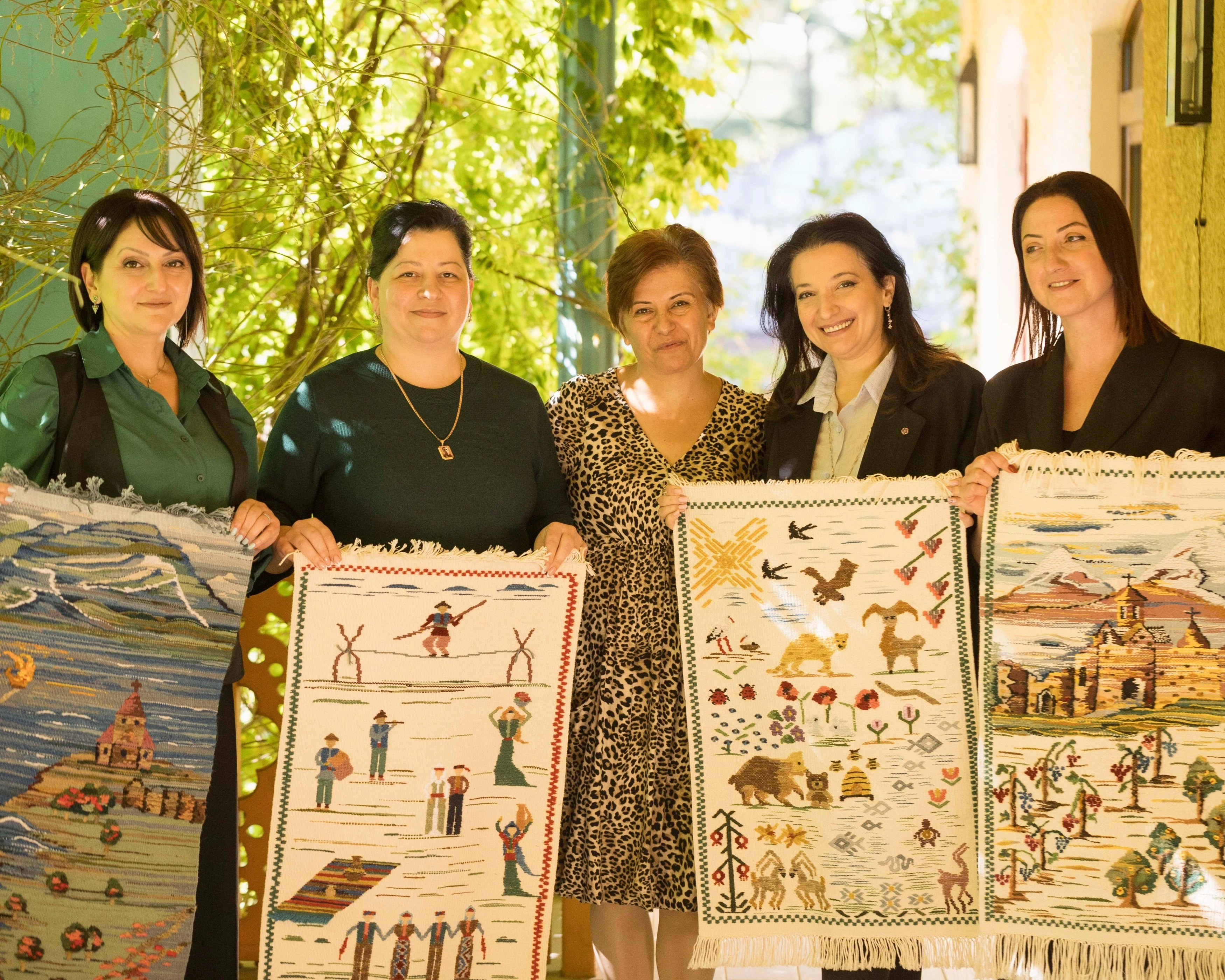
"Stella has played a huge role in our community. She’s a very positive, humorous person. She’s helped many other mothers of fallen soldiers deal with the pain of losing a child. She’s been a therapist for many people. Stella is a very strong woman. Our community has become wealthier with her presence." - Hasmik
Looking for something else?
A different size or designs?
We'd love to make it happen.
